No one called on Edward Bartlett that Friday evening. In fact, Coombes left him alone for the entire weekend. It was as if he was deliberately giving him time to stew; to dread the rap of knuckles on the door.
On Monday morning, still awaiting the terrible spectre of what he had come to think of as consequences, Edward sent a telegram to Palmerston, to the solicitor who had acted for them in the case, begging for news on whether the court had received the document.
The reply came back within an hour:
R WILLIAMSON ARRIVED WITH DOCS TENDERED TO COURT PRIOR 0900 STOP RULING WILL BE MADE AGAINST US STOP SALE NOW IMPOSSIBLE ENDS
Edward stared at the telegram and felt a chill run through him. Everything he owned was forfeit, even the clothes he wore, and the horses and carriage. He had staked his entire worth on a transaction that could not now be finalised, and placed it in the hands of a gambler and wastrel. There would be nothing left.
It might be a few hours, even a day or two, but Coombes would arrive in force, with his sons, as soon as he heard the news that Williamson had delivered that damned letter to the court. The sheriff would follow, the bank’s liquidators, then small creditors. The house would be auctioned, while neighbours and friends gossiped and ogled. The thought was insufferable.
Making one of the fastest decisions of his life, Edward went to the bedroom to find Lucy. She was still in bed, having complained of a headache when he rose earlier. The truth was that she had been listless and dull for some days. She was no fool, and though he told her nothing, she suspected everything.
‘Lucy. We are leaving. You need to help me to pack up our things.’
‘Why?’ Her eyes were surrounded by pockets of dark blue.
‘Because to stay here, is to face humiliation and dispossession.’
‘Where are we going?’
‘West, north, anywhere. Out of the colony of Victoria.’
Sitting at his desk, Edward wrote a letter to his firm, resigning his position. This he took to Mary, who was dusting items they no longer owned, in the lounge room. ‘Would you please post this letter for me, then go to the school,’ he said, ‘and bring the children home.’
By the time the children arrived, there was a carnival atmosphere in the air. To them it was like a holiday. An exciting adventure.
Yet, there was the question of Mary’s wages, and the need for money to get them started. The first trip in the carriage was to the pawnbrokers on Swanston Street, where Edward sold the most portable and valuable items of household furniture, and a selection of jewellery that Lucy could bear to part with.
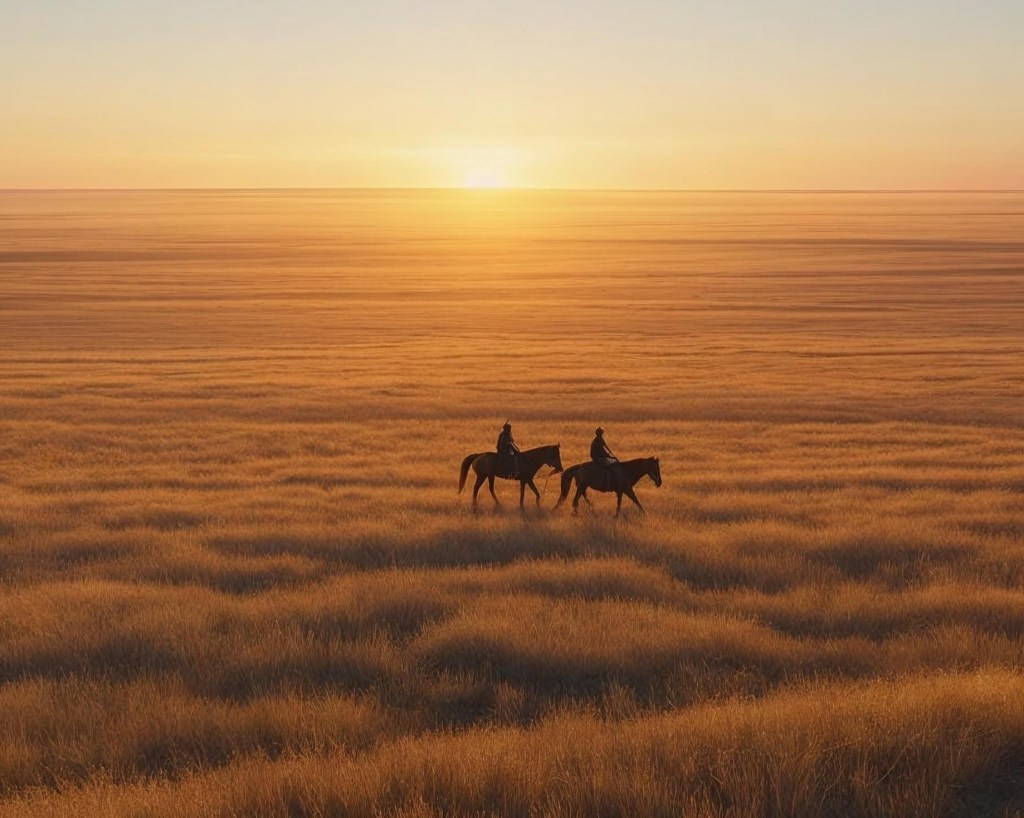
By mid-afternoon they were on the Ballarat Road, the horses plodding slowly. Just being on the move was an escape in itself. The roof of the carriage supported a pile of trunks, cases and crates. The temperature was searing, and the interior insufferable, but the children did not seem to mind, and the sound of their singing reached Edward on the box. He held the reins, while Lucy sat beside him. It was the closest he had felt to her for a long time. She clutched at his arm.
‘So what will we do?’ she asked.
‘We start again,’ he said, and on that dusty road, it all seemed so possible.
***
Will, Lainey and Jim spent three nights in camp with Mahomet and his family, while Little Blue healed up from his fight, and the horses were rested, harness repaired and preparations made for the road.
Then, with a solemn agreement that the time had come, they packed up and began the rest of the journey. On the first day they reached Anthony’s Lagoon, where they restocked with tucker and tobacco, then travelled on to Valhalla and down off the tablelands into the wild country of the Kilgour River. This was a tributary of the McArthur, a wild place of gorges and rock pillars, with higher ranges to the west. In that country they came upon proud groups of Gudanji people, with long spears and fierce eyes, but they kept good watches in the night, made no aggressive moves and were not harassed.
From there on the humidity was murderous, and the rain both regular and heavy. They spent Christmas Day riding through a wet landscape of towering stone hills, with rivulets running from the sides, and at night they fought mosquitoes in their hordes.
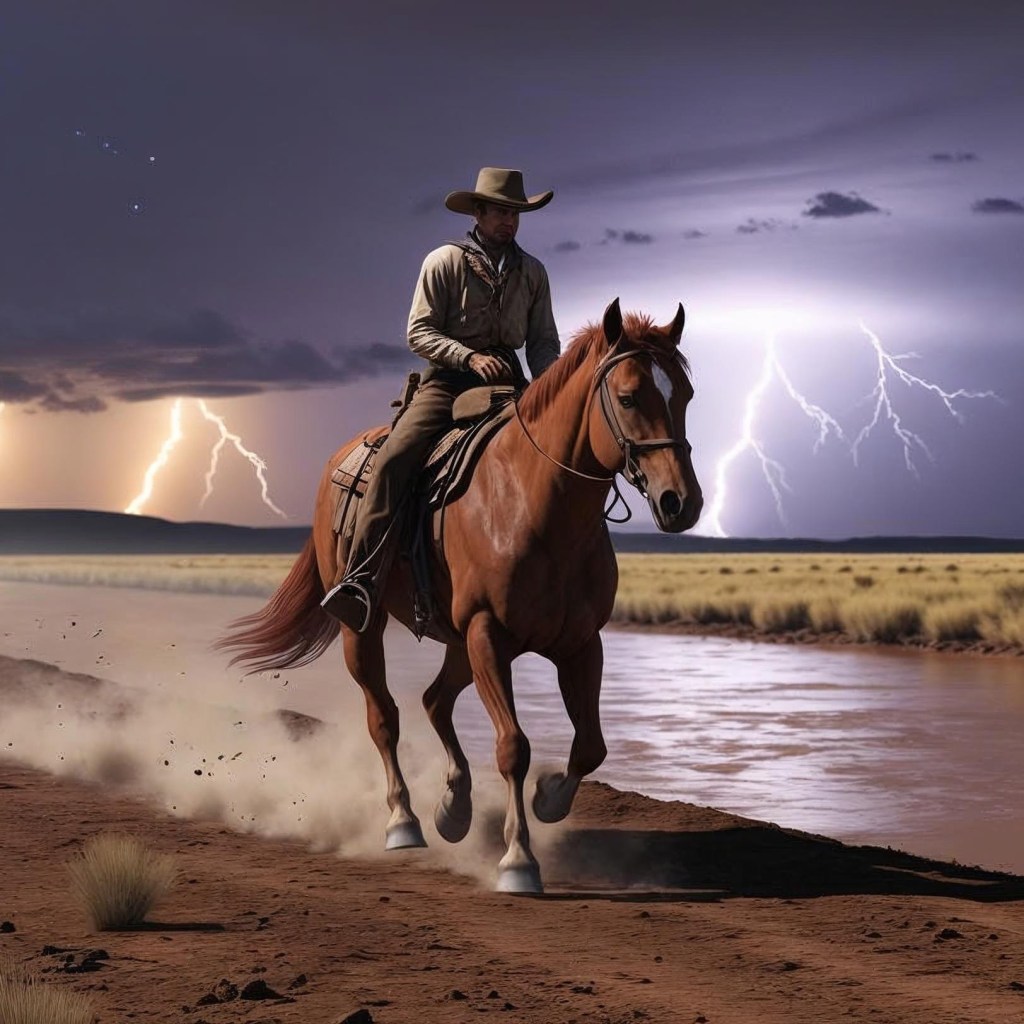
They crossed creeks in full flood, often riding three or four miles to find a place that was shallow enough to provide a ford. They got through, somehow, without serious incident, with only minor water damage to the mail.
Finally, more than a month after leaving Camooweal, they rode into Borroloola, the township up above the western bank of the McArthur River. There were Chinese gardens on the way in, a camp of bark shelters and the faded tents of travellers.
The main street was called Riddoch Terrace, with a grog shanty, a store, a half-finished police station and courthouse. Two policemen, who seemed to be camped partly in their unfinished building and partly in tents, watched them as they rode in.
The post office was scarcely more refined than most of the dwellings, but with timber-slab walls and a tin roof, it was at least a little more solid. With a strong sense of occasion, Will, Jim and Lainey carried the mailbags up from the street.
The postmaster, a portly fellow with eyeglasses and a garrulous manner, met them out the front. ‘By the blood of the Saints, the mail from Queensland,’ he cried. ‘I never thought I’d see the day.’
They stayed three days, a good chance to rest up and restock. In the store Jim was able to purchase a box of fifty .44 calibre rimfire cartridges for his rifle, and though they all needed boots, that would have to wait until they were paid.
Finally, they turned back the way they had come. Will was surprised at just how much he was looking forward to seeing Sam. On the advice of locals they skirted south, almost to the Wearyan, where it had rained less, before heading south. The diversion helped, but they had to forge their own track for much of the way, finally reaching Anthony’s Lagoon, exhausted and pleased to get away from the fevered coast.
Will, Lainey and Jim rode with restrained excitement as they neared Alexandria Station, hoping and praying under their breaths that there would be a happy reunion, not bad news. On the way in they had to ride around a flock of goats flowing across the track, ignoring the commands of their herder, who chased after them lustily, yelling insults and threats.
Then, outside the homestead, they met Sam, leaning on a stick, watching them come, as if he had been there waiting for many weeks. He was not so fat as he had once been, and his face carried the weariness of a long battle.
Little Blue was the first to break from the group and greet their old mate, and Sam leaned down to pat his shoulders fondly. ‘I been waiting for you, a long time,’ he said.
‘Well, we aren’t all stupid enough to get shot, are we?’ called Will. ‘Are you fit enough to ride?’
‘Five minute,’ said Sam. ‘Then we go.’
***
Four of them now, together again, they rode through Avon Downs, where they collected their last Queensland-bound mailbag, then crossed the border and finally rode into Camooweal. The Georgina River was higher than it had been when they’d left, running like a river should, but the town itself seemed no different for their month’s absence.
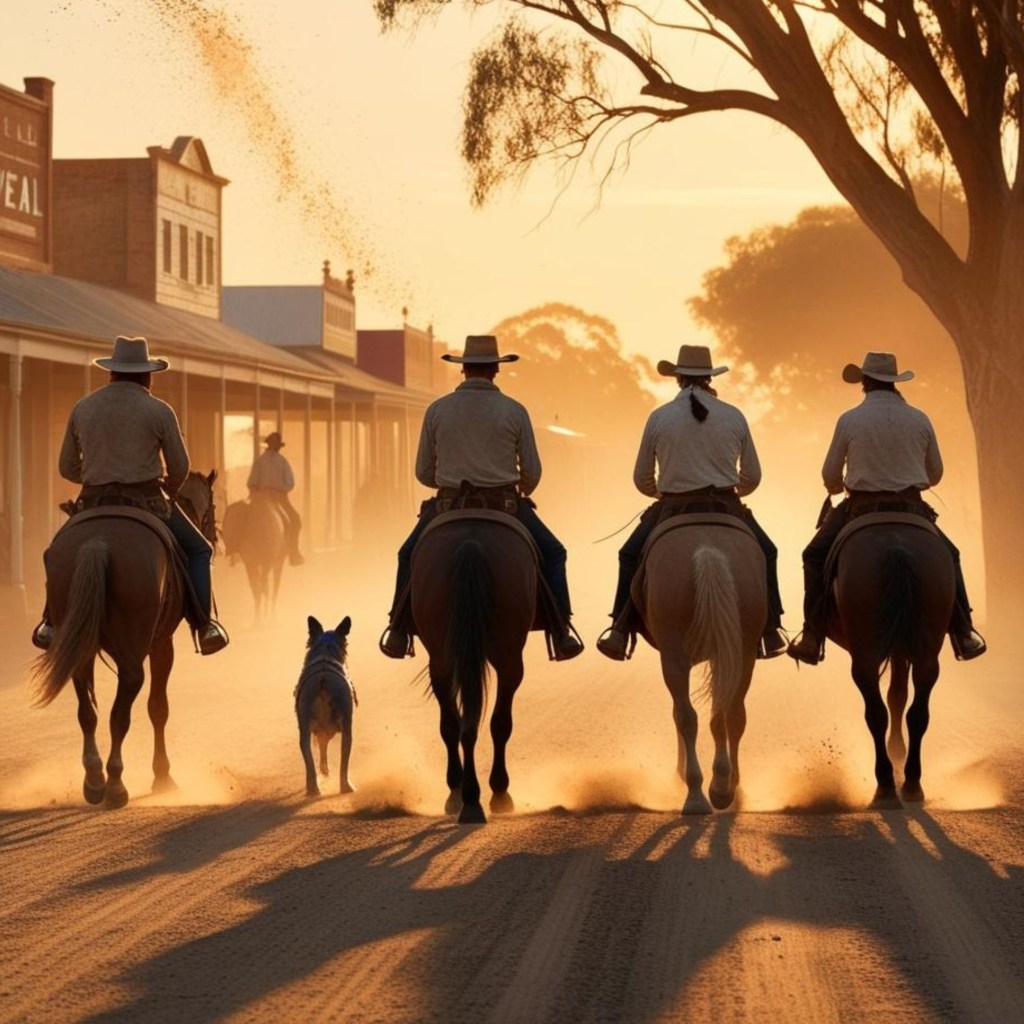
A man, standing down the end of the main street, cupped his hands around his mouth, faced back down the street and shouted out, ‘The mail’s here. Dammit all of ye, the mail’s here.’
By the time they reached the post office a small crowd had gathered to meet Will and his crew, calling congratulations while they dismounted and started loosening harness, unbuckling pack saddles and panniers.
Emerging from the cottage beside the post office was the postmaster, Andy Kellick and his wife Jane. Tom Maconsh came too, looking debonair and shaking Will’s hand with a wink.
‘You don’t want to steal my job do ya?’ he asked.
‘No bloody fear,’ said Will. ‘I’ve said it before and I’ll say it again. It’ll be a cold day in hell if I take on a mail run.’
Kennedy wandered up too, and Will could see that he was looking for Lenny.
‘Sorry to say that Lenny never made it back,’ said Will. ‘There’s a story to tell, but standing out here in the sun aren’t the time or place to tell it.’
Kellick helped them with the Queensland mail, carrying two bags at a time inside the building, and paid them off. With money in their pockets they headed down to the river, where they set up camp on the bank as they had before.
Later, leaving Little Blue to guard their gear, the four of them rode up from the river camp and walked into Kennedy’s hotel. Will looked across at the sofa chair, remembering the murder of John Weir in that place, seeming like it was years ago.
After Kennedy had brought the drinks and called to the kitchen for their meals, Will handed over ten pounds in notes, payment for the stallion and mare that had proved to be so useful on the journey.
‘I wasn’t sure I’d ever see this again,’ said Kennedy, but the notes disappeared into his pocketbook, quick as a flash.
Will told the publican the story, but after a while he realised that Lenny’s death was just an episode in something much bigger. There were stories all around them, beginning and ending and going round in circles – tales of men, women, animals, hard weather and harder country.
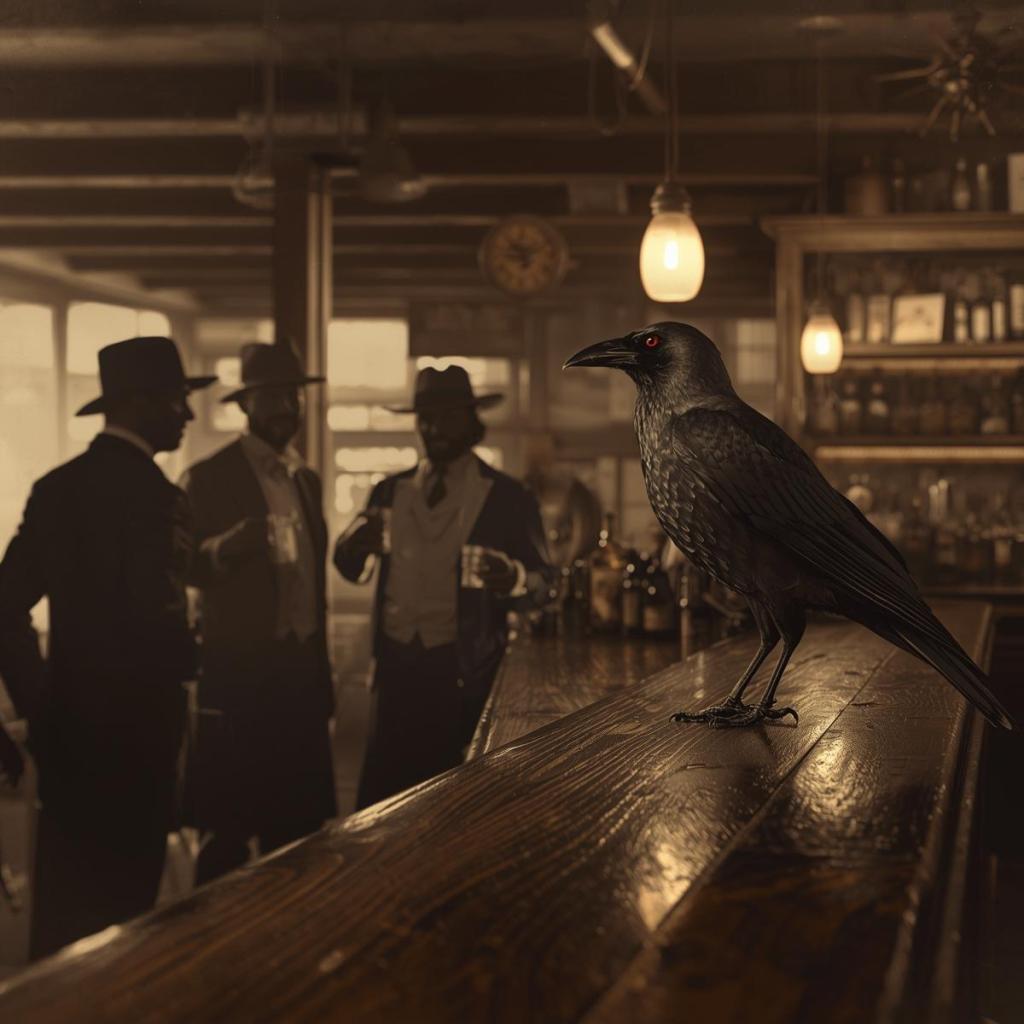
Knowing this fact well, standing at the highest point on the roof of the police barracks, the crow cawed, and watched to see what might happen next.
©2025 Greg Barron
That was the final chapter of Will Jones and the Territory Mail.
You can read this chapter, and previous chapters on the website here: https://www.storiesofoz.com/category/will-jones-and-the-territory-mail/
Get previous Will Jones books, Will Jones and the Dead Man’s Letter, and Will Jones and the Blue Dog, here: https://ozbookstore.com/